
Design & TechnologyMar 15, 2026•5 min read
The Future of Exhibition Stall Fabrication: Architecture, LED Volumes & Kinetic Surfaces
Ar. Vikramaditya Rathore
Head of Spatial Architecture
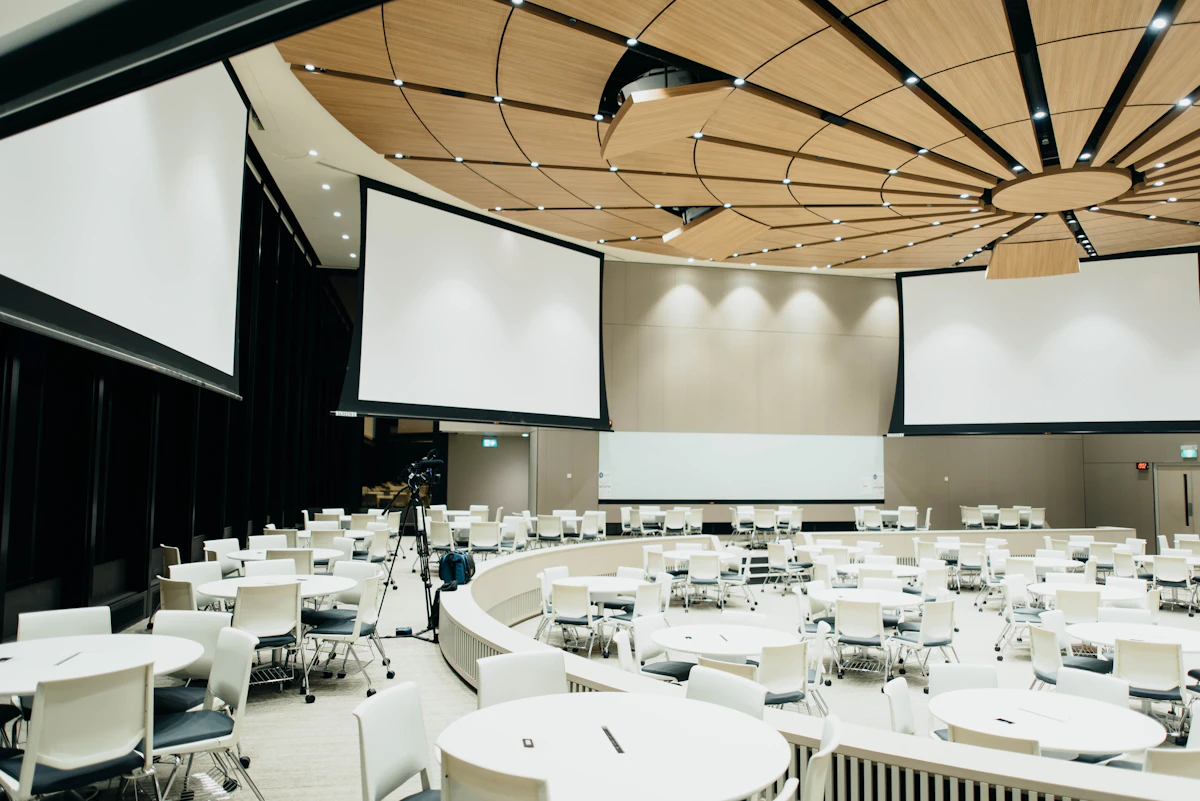
How modern spatial engineering is bridging the divide between physical architectural pavilions and real-time interactive digital environments.
The Evolution of Trade Show Architecture
The days of generic aluminum octanorm booths and static poster panels are officially behind us. In 2026, premier global trade shows — from CES in Las Vegas to GITEX in Dubai and Auto Expo in Delhi — demand an uncompromising level of architectural sophistication.
1. Kinetic Structural Elements Brands are no longer satisfied with static walls. We are engineering motorized louvers, revolving product pedestals, and responsive overhead lighting rigs that breathe life into the exhibition space as visitors approach.
2. Seamless LED Volumes Clad in Architectural Finishes Rather than mounting bulky TVs onto drywall, cutting-edge fabricators integrate ultra-fine pitch LED panels flush into CNC-milled graphite and champagne gold surrounds. The boundary between digital content and physical timber disappears.
3. Sustainable Modular Engineering True sustainability is not a buzzword; it is an engineering discipline. By developing proprietary precision quick-connect aluminum sub-frames, our clients can reuse primary structural skeletons across six consecutive expos, reskinning only brand graphics and finish panels.
"An exhibition stall is not merely a sales booth; it is a temporary flagship embassy for your brand's ambitions."
4. Acoustic Sanctuary Zones Exhibition halls are notoriously noisy. Introducing double-glazed acoustic glass meeting pods and parametric slatted wood baffles turns an executive meeting zone into a serene sanctuary where multi-million-dollar partnerships get closed.
Filed Under:#Exhibition Architecture#3D Fabrication#LED Walls#Trade Show ROI
Planning an upcoming trade show?
Our engineering leads are ready to review your stall layout.